World War II Remembrance Films: How 'Children of a Hope' Stands Out
Introduction to World War II Remembrance Films
World War II remains a significant period in global history, influencing countless narratives in literature and film. Many movies have been made to honor the memories of those who lived through these turbulent times. Among these, "Children of a Hope" has managed to carve a unique niche, standing out for its poignant storytelling and emotional depth.
While numerous films focus on the battlefront, "Children of a Hope" offers a fresh perspective by delving into the experiences of children during the war. This approach not only highlights the resilience of the younger generation but also underscores the universal impact of war that transcends age.

A Different Perspective
"Children of a Hope" distinguishes itself through its focus on the often-overlooked narratives of children affected by World War II. Unlike typical war films that concentrate on soldiers and combat, this film explores the emotional and psychological journeys of young individuals who find themselves in the midst of chaos.
The film's narrative is deeply personal, shedding light on the struggles of children forced to grow up too quickly. This unique angle allows viewers to witness the war through innocent eyes, adding a layer of vulnerability and authenticity to the story.
Emotional Depth and Storytelling
One of the film's strengths lies in its ability to evoke powerful emotions. The storytelling is both heart-wrenching and uplifting, capturing the essence of hope amidst despair. Through well-crafted characters and compelling arcs, "Children of a Hope" resonates with audiences on multiple levels.
Visual and Cinematic Excellence
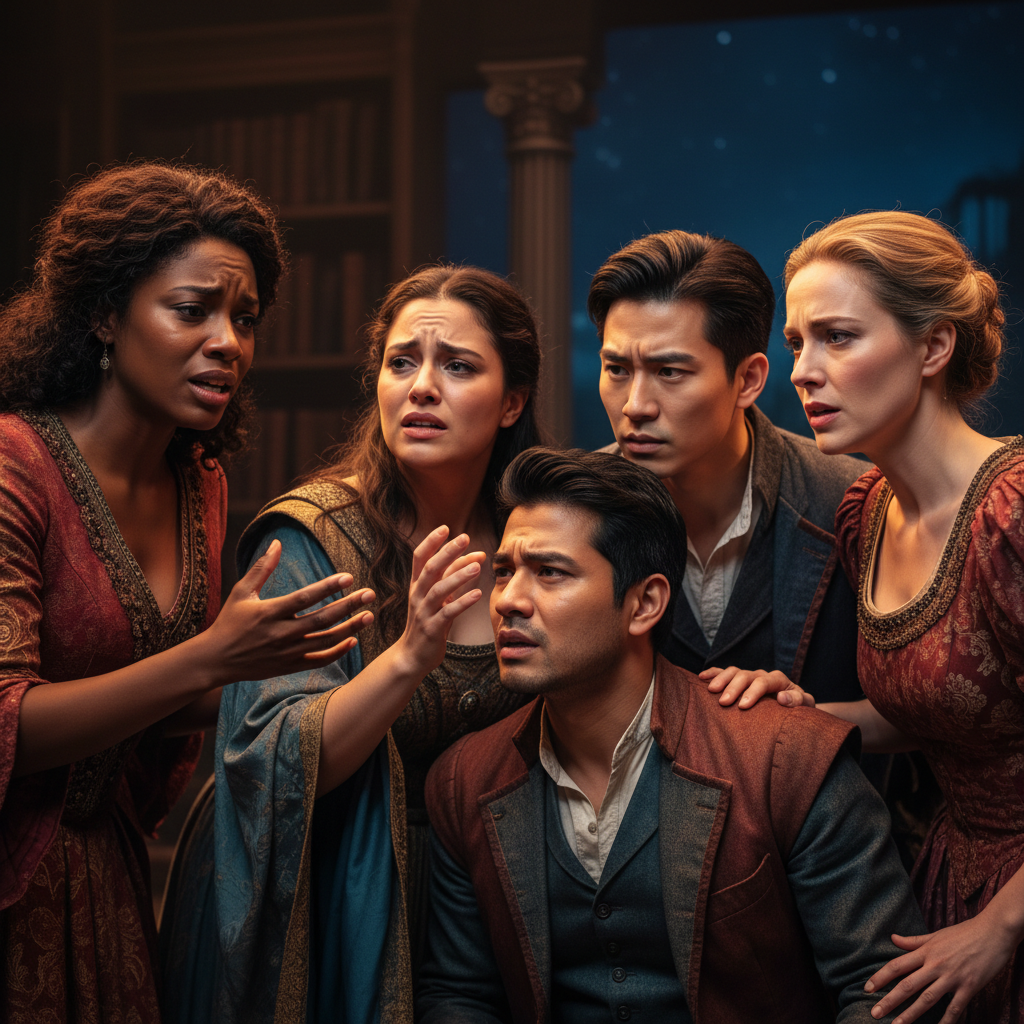
Beyond its narrative, "Children of a Hope" boasts stunning cinematography that brings the era to life. The film's visual appeal is enhanced by meticulous attention to detail, from authentic period costumes to carefully recreated settings that transport viewers back in time.
The use of lighting and color palettes plays a crucial role in conveying the mood of different scenes, effectively reflecting the shifting emotions of the characters. This visual storytelling complements the film's narrative, making it a truly immersive experience.

Critical Acclaim and Audience Reception
"Children of a Hope" has received widespread acclaim from both critics and audiences. Its ability to balance historical accuracy with fictional storytelling has been praised, as has its commitment to portraying the lesser-known aspects of World War II.
- The film has garnered several awards for its direction and screenplay.
- Audience reviews often highlight the emotional impact and unforgettable performances.
- The film has sparked discussions about the importance of preserving historical memories through diverse narratives.
Conclusion: The Legacy of "Children of a Hope"
In the realm of World War II remembrance films, "Children of a Hope" stands out not only for its unique perspective but also for its powerful storytelling. By focusing on the lives of children during the war, the film offers a poignant reminder of the enduring spirit of hope and resilience.
As audiences continue to engage with the film, it serves as an important cultural artifact, ensuring that the lessons of the past are not forgotten. "Children of a Hope" is more than just a film; it is a tribute to the indomitable human spirit that thrives even in the darkest times.