War Trauma and Recovery: Insights from 'Children of a Hope'
Understanding War Trauma
War trauma affects individuals in profound ways, leaving deep psychological scars that can last a lifetime. It impacts not only those directly involved in the conflict but also families and communities. The book 'Children of a Hope' delves into the intricate layers of this subject, offering a window into the experiences of those affected by war.
Studies show that the psychological impact of war can manifest in various forms, including PTSD, anxiety, and depression. These conditions often go untreated, especially in regions with limited access to mental health resources. 'Children of a Hope' sheds light on these challenges, emphasizing the importance of early intervention and support.

The Journey to Recovery
Recovery from war trauma is a complex journey that requires comprehensive support systems. According to 'Children of a Hope,' successful recovery often involves a combination of therapy, community support, and personal resilience. The book highlights inspiring stories of individuals who have overcome their trauma, providing hope and motivation for others.
Key strategies for recovery include:
- Access to mental health services
- Community and family support
- Engagement in meaningful activities
- Cultural and spiritual practices

The Role of Community
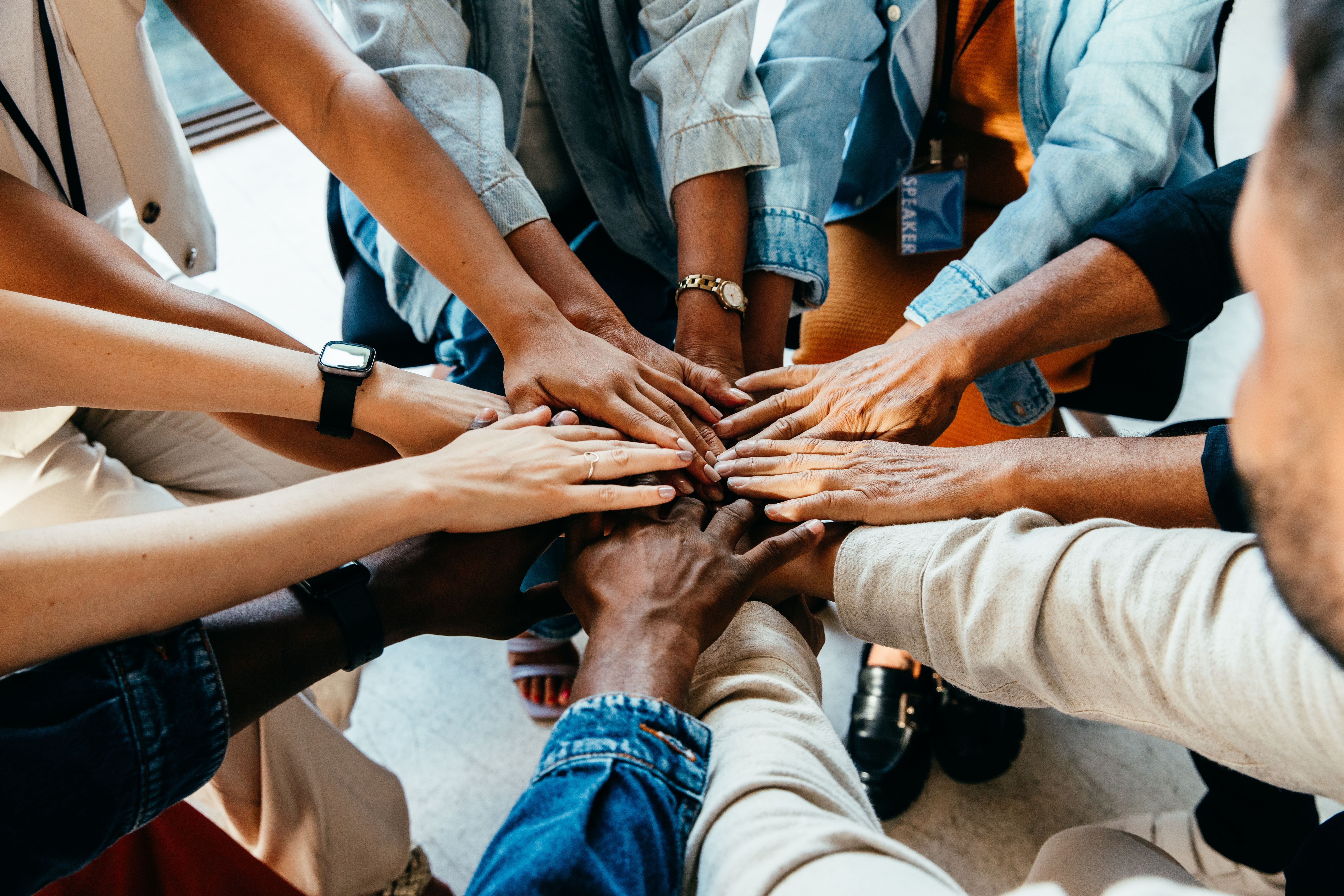
Community plays a crucial role in the healing process. 'Children of a Hope' illustrates how collective efforts can create a nurturing environment for recovery. Support groups, local initiatives, and cultural practices are vital in helping individuals reconnect with their identities and rebuild their lives.
Engaging with the community not only aids recovery but also fosters resilience and empowerment. It helps individuals feel less isolated and more connected, which is essential for long-term healing.
Children and War Trauma
Children are particularly vulnerable to the effects of war trauma. The book provides insights into the unique challenges faced by young survivors, emphasizing the importance of tailored interventions. Early support and care can significantly alter the trajectory of a child's recovery, helping them develop healthier coping mechanisms.
Educational programs and safe spaces are critical in providing children with a sense of normalcy and security. 'Children of a Hope' advocates for integrated approaches that combine education with psychological support to address the needs of young survivors effectively.
Long-Term Impact
The long-term impact of war trauma can extend into adulthood, affecting relationships, career opportunities, and overall quality of life. 'Children of a Hope' underscores the necessity of long-term support strategies to address these enduring effects. Continuous access to mental health resources and ongoing community engagement are crucial components of sustained recovery.

Conclusion
'Children of a Hope' offers a comprehensive exploration of war trauma and recovery, providing valuable insights for individuals, communities, and policymakers. By understanding the complex nature of trauma and the multifaceted approach required for recovery, we can work towards building a more supportive and resilient world for those affected by conflict.