Understanding the Trauma of War Through 'Children of a Hope'
Exploring the Depths of War's Impact
The trauma of war is a subject that has been explored through countless works of literature, but "Children of a Hope" offers a unique and poignant perspective. This compelling narrative dives into the psychological scars left by conflict, particularly through the eyes of the younger generation. Understanding these stories is crucial for comprehending the broader implications of war on society.
War is more than just a series of battles; it is an experience that reshapes lives. The characters in "Children of a Hope" serve as a testament to the resilience and vulnerability of those caught in the crossfire. By immersing ourselves in their stories, we gain insight into the human cost of conflict.
The Innocence Lost
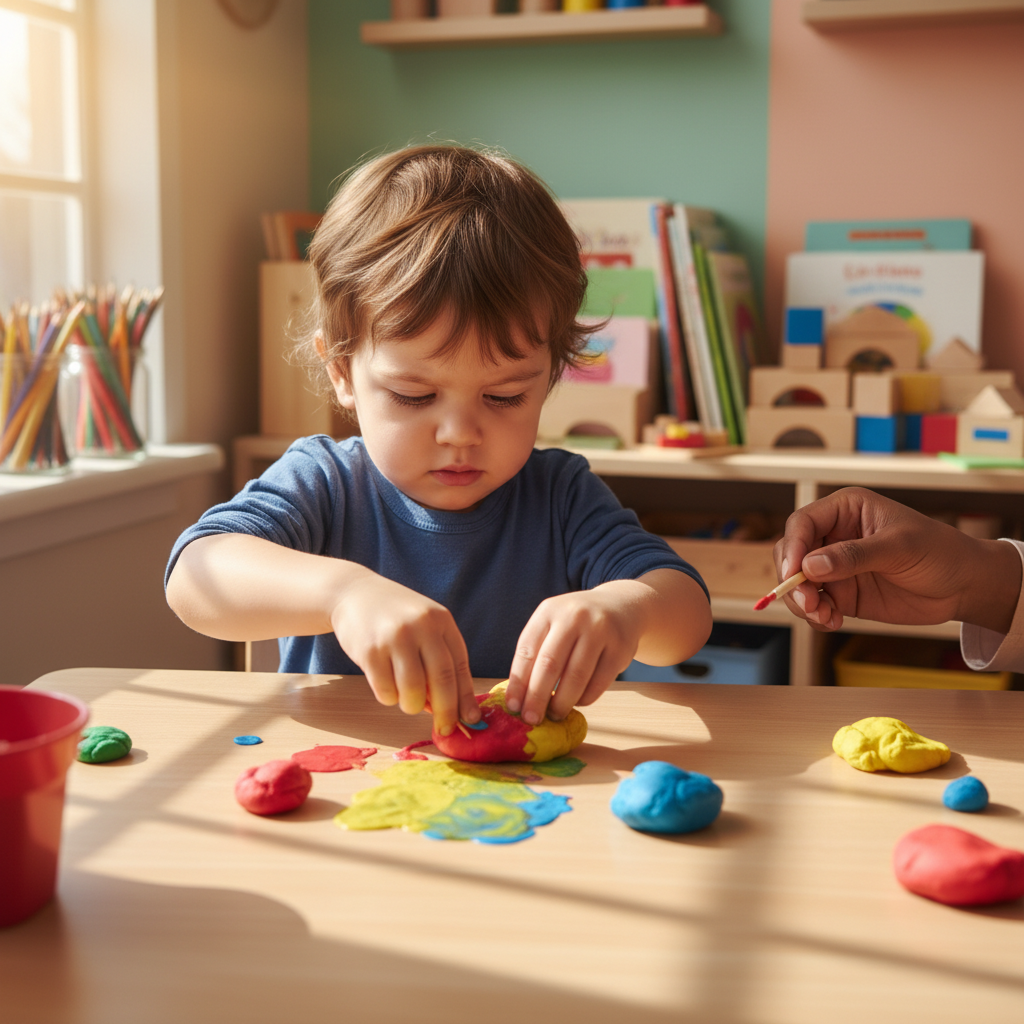
One of the most heart-wrenching aspects of war is the loss of innocence. Children, who should be shielded from such atrocities, often find themselves at the forefront of its horrors. "Children of a Hope" captures this loss in vivid detail, illustrating how young minds grapple with the chaos surrounding them.
The book highlights how war forces children to grow up prematurely, assuming responsibilities and facing fears that no child should ever encounter. This premature maturity often leads to a lifetime of emotional and psychological challenges.
Psychological Scars of Conflict
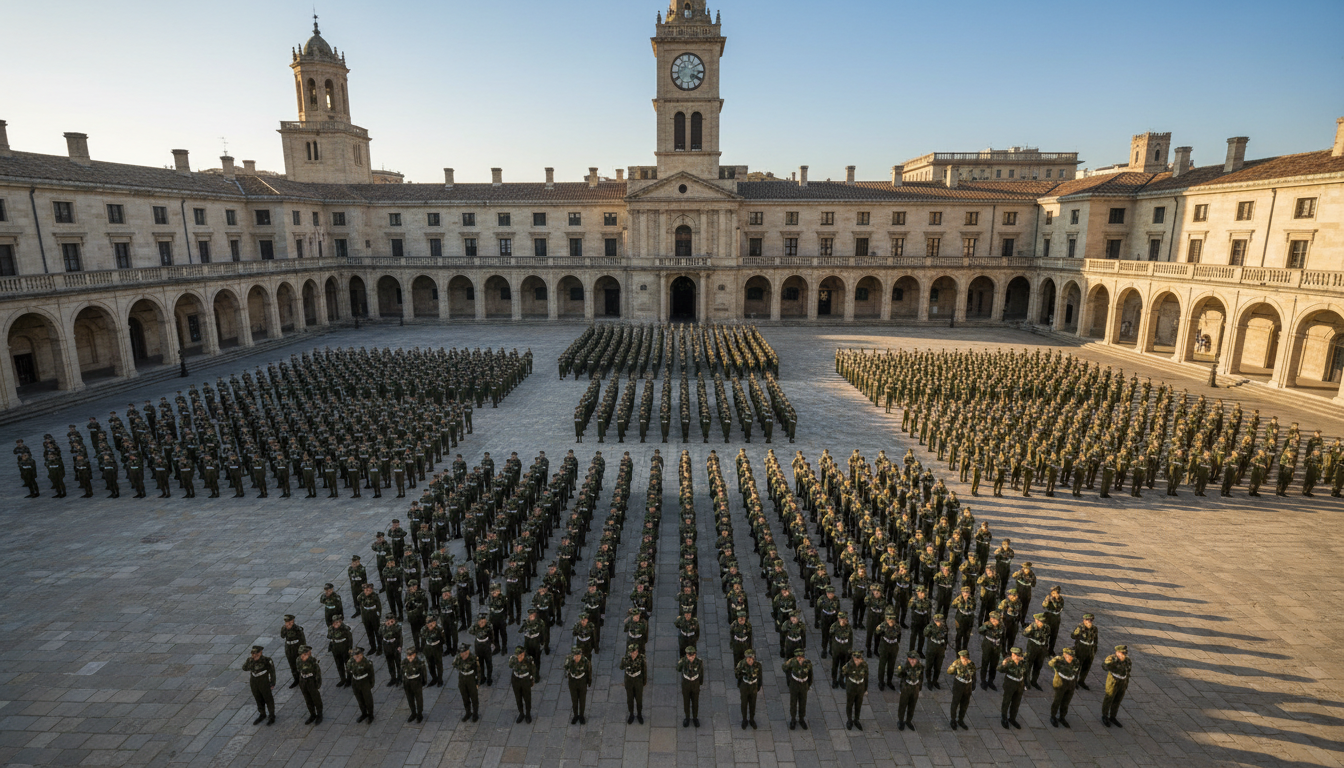
The psychological impact of war is profound and long-lasting. "Children of a Hope" delves into the various ways in which trauma manifests in individuals who have experienced conflict firsthand. These manifestations can include anxiety, depression, and post-traumatic stress disorder (PTSD).
The narrative sheds light on how these conditions affect not only the individuals but also their families and communities. The ripple effects of war can be felt for generations, emphasizing the need for comprehensive support systems and mental health services.

Resilience and Hope
Despite the despair that war brings, "Children of a Hope" is ultimately a story of resilience. The characters demonstrate incredible strength and perseverance, finding ways to rebuild their lives amidst the ruins. This resilience serves as a beacon of hope, reminding us of the human spirit's capacity to endure and heal.
The book also underscores the importance of community and connection in the healing process. By coming together, individuals can find solace and support, fostering a sense of belonging and understanding.
The Role of Storytelling
Storytelling plays a vital role in preserving the memories and lessons of war. "Children of a Hope" is more than just a narrative; it is a tool for education and empathy. By engaging with these stories, readers can develop a deeper understanding of the complexities of war and its impact on humanity.
This understanding is crucial for fostering a more compassionate and informed society. Through literature, we can bridge the gap between different experiences and cultures, promoting peace and reconciliation.

Conclusion
"Children of a Hope" offers a powerful exploration of the trauma of war, urging us to confront the realities faced by those who live through it. By understanding these experiences, we can better support survivors and work towards a future where such conflicts are less frequent.
The lessons within these pages serve as a reminder of our shared humanity and the enduring power of hope. Let us carry these lessons forward as we strive for a more peaceful world.