The Sisters of Dunaharaszti: Real-Life Inspirations for 'Children of a Hope'
The novel 'Children of a Hope' has captivated readers with its intriguing narrative and compelling characters. Among these characters, the Sisters of Dunaharaszti stand out as enigmatic figures whose real-life inspirations add depth to their portrayal. Delving into the stories behind these sisters reveals fascinating insights into their origins and significance.
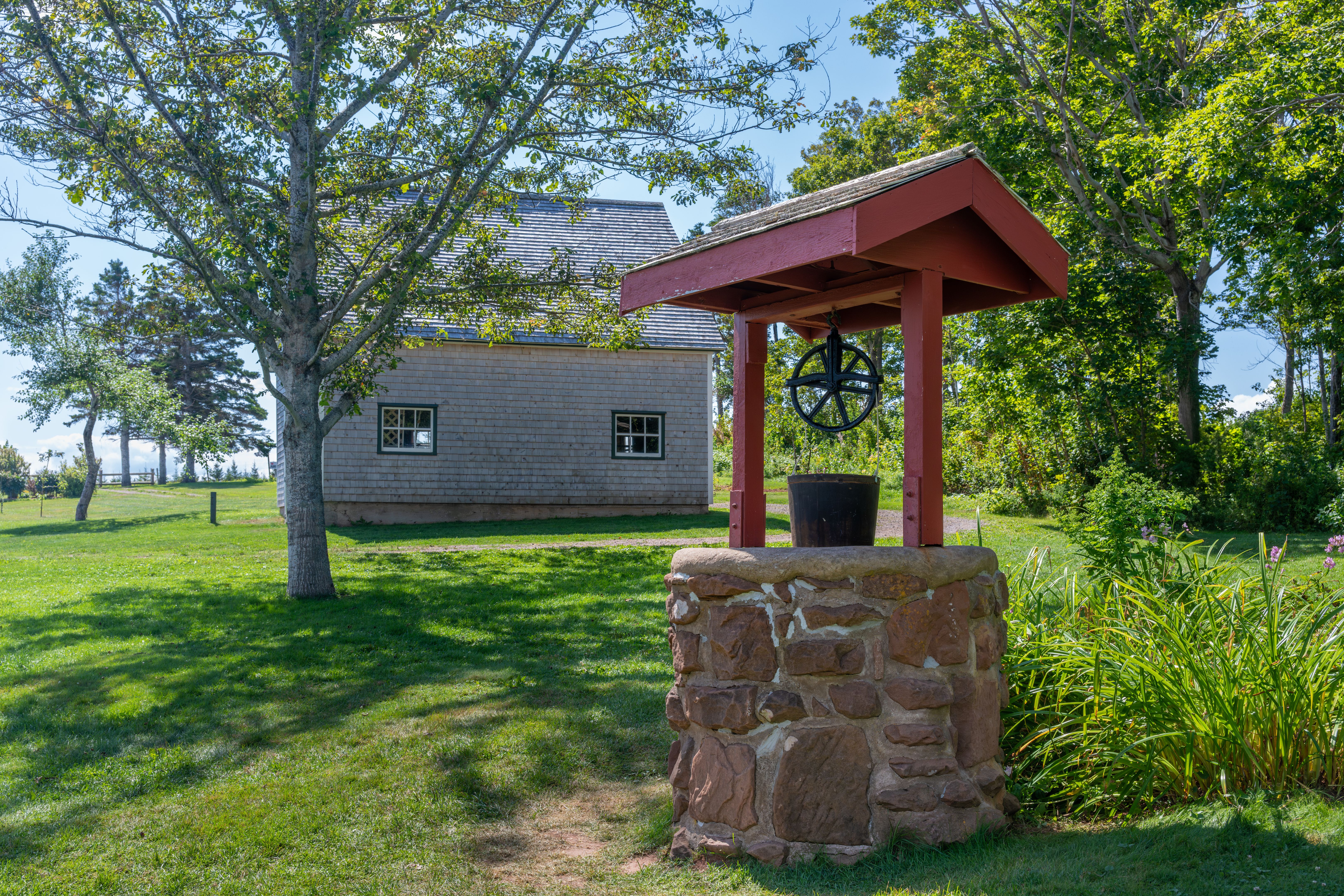
The Historical Background of Dunaharaszti
Dunaharaszti, a small town in Hungary, provides the backdrop for much of the sisters' story. Known for its rich history and vibrant culture, this town has long been a hub of storytelling and legend. It is here that the real sisters lived, leaving a mark on the local community that would echo through generations.
The town itself has a history that dates back centuries, with influences from various cultures and eras. This blend of history and modernity makes Dunaharaszti an ideal setting for the novel's events, providing a tangible connection to the past.
The Real Sisters Behind the Fiction
The Sisters of Dunaharaszti were based on actual siblings who lived during a tumultuous period in Hungary's history. These sisters were known for their resilience, intellect, and deep connection to their community. Their lives were marked by challenges that they faced with strength and determination, traits that are vividly captured in the novel.
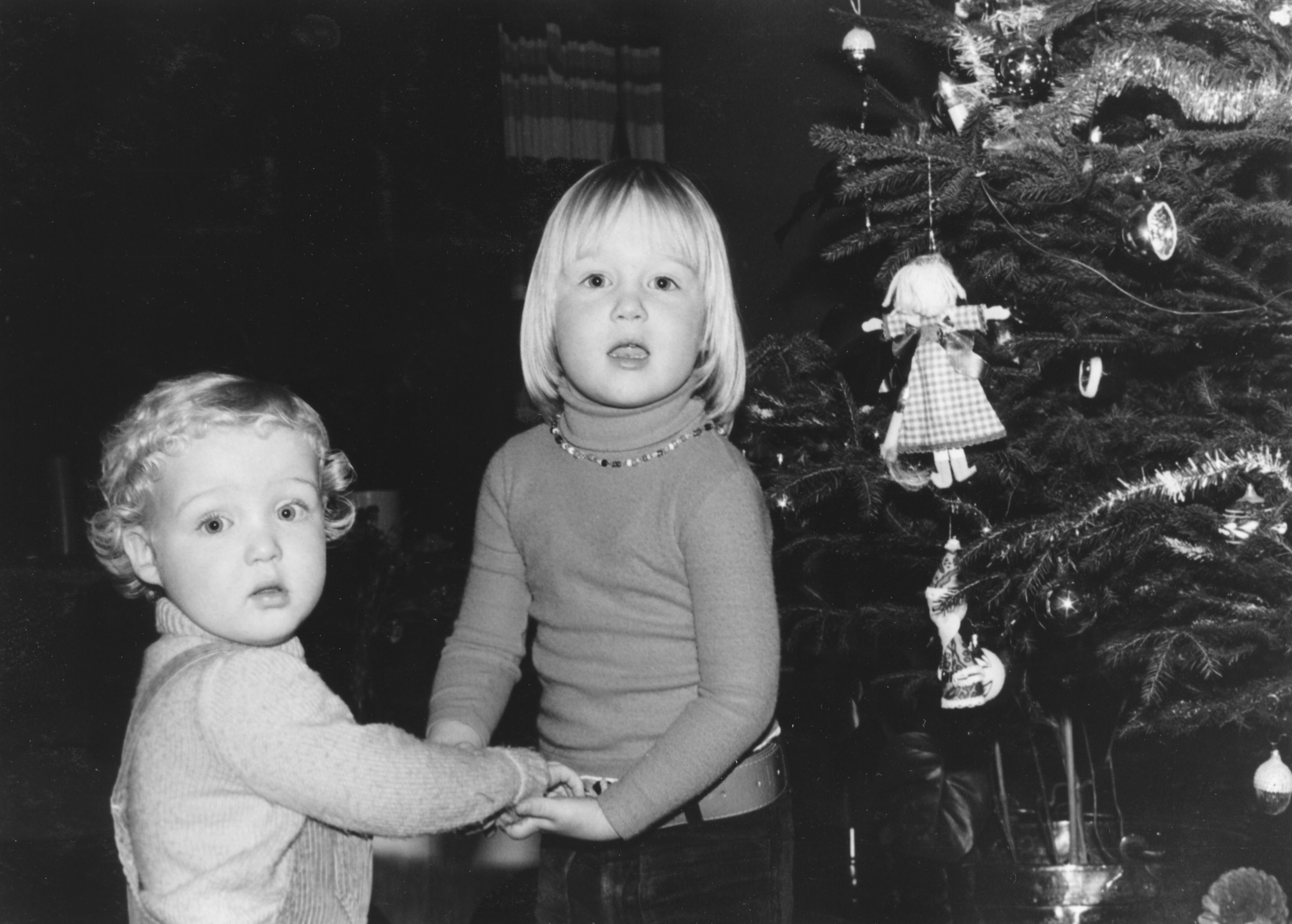
These real-life sisters inspired the fictional characters who play pivotal roles in 'Children of a Hope.' Their stories of overcoming adversity and standing together resonate throughout the book, offering readers a glimpse into the power of family and unity.
The Influence of Local Legends
Local legends and folklore also played a significant role in shaping the narrative of 'Children of a Hope.' The tales passed down through generations in Dunaharaszti provided a rich tapestry of myths and stories that the author wove into the novel. From mysterious happenings to tales of heroism, these legends breathe life into the sisters' journey.

By integrating these elements, the novel not only tells a compelling story but also preserves and honors the cultural heritage of the town. Readers are invited to explore these legends, discovering the profound impact they have on the characters' lives.
Symbolism in 'Children of a Hope'
The sisters embody themes of hope and resilience, serving as symbols of the enduring human spirit. Their struggles and triumphs are a testament to the strength found in unity and faith. Through their journey, the novel explores the broader themes of hope in the face of adversity and the power of human connection.
Their story encourages readers to reflect on their own experiences and the importance of standing together in challenging times. These themes resonate universally, making the sisters' tale both personal and relatable.
The Legacy of the Sisters
The legacy of the Sisters of Dunaharaszti extends beyond the pages of the novel. Their real-life counterparts left a lasting impact on their community, and their fictional representations continue to inspire readers worldwide. By exploring their story, we gain insight into the enduring power of storytelling and its ability to connect us across time and space.
For those intrigued by the blend of history, fiction, and legend, 'Children of a Hope' offers a rich tapestry of narrative that is both engaging and enlightening. The Sisters of Dunaharaszti remind us of the importance of perseverance, unity, and hope.