The Role of Location in War Films: Dunaharaszti as a Character in 'Children of a Hope'
The Role of Location in War Films
War films have long captivated audiences with their gripping narratives and intense action sequences. However, one aspect that often goes unnoticed is the critical role of location in setting the tone and atmosphere of these films. In "Children of a Hope," the small town of Dunaharaszti plays a significant role, not just as a backdrop, but almost as a character in its own right.
Dunaharaszti, located in Hungary, offers a unique landscape that perfectly complements the film's themes of resilience and hope amid chaos. With its rustic charm and historical architecture, this town provides an authentic setting that transports viewers into the heart of the story. The filmmakers thoughtfully utilized Dunaharaszti's natural and man-made environments to enhance the narrative, making it an indispensable part of the film's storytelling.

Authenticity and Immersion
One of the primary reasons Dunaharaszti was chosen as a location for "Children of a Hope" is its authenticity. The town's architecture, with its classic European streets and historical buildings, adds a layer of realism that studio sets often fail to achieve. This authenticity allows viewers to become fully immersed in the wartime setting, making the emotional and physical struggles of the characters more tangible.
Moreover, the use of real locations like Dunaharaszti provides filmmakers with an opportunity to incorporate local culture and history into the film. The town's past and its people contribute to the depth of the story, offering a richer, more textured environment for the narrative to unfold.

Dunaharaszti as a Character
In "Children of a Hope," Dunaharaszti is more than just a backdrop; it becomes an integral part of the story. The town's landscapes and structures are woven into the film's plot, influencing the characters' decisions and actions. For instance, the winding streets and hidden alleyways serve as both refuge and danger, emphasizing the unpredictability of war.
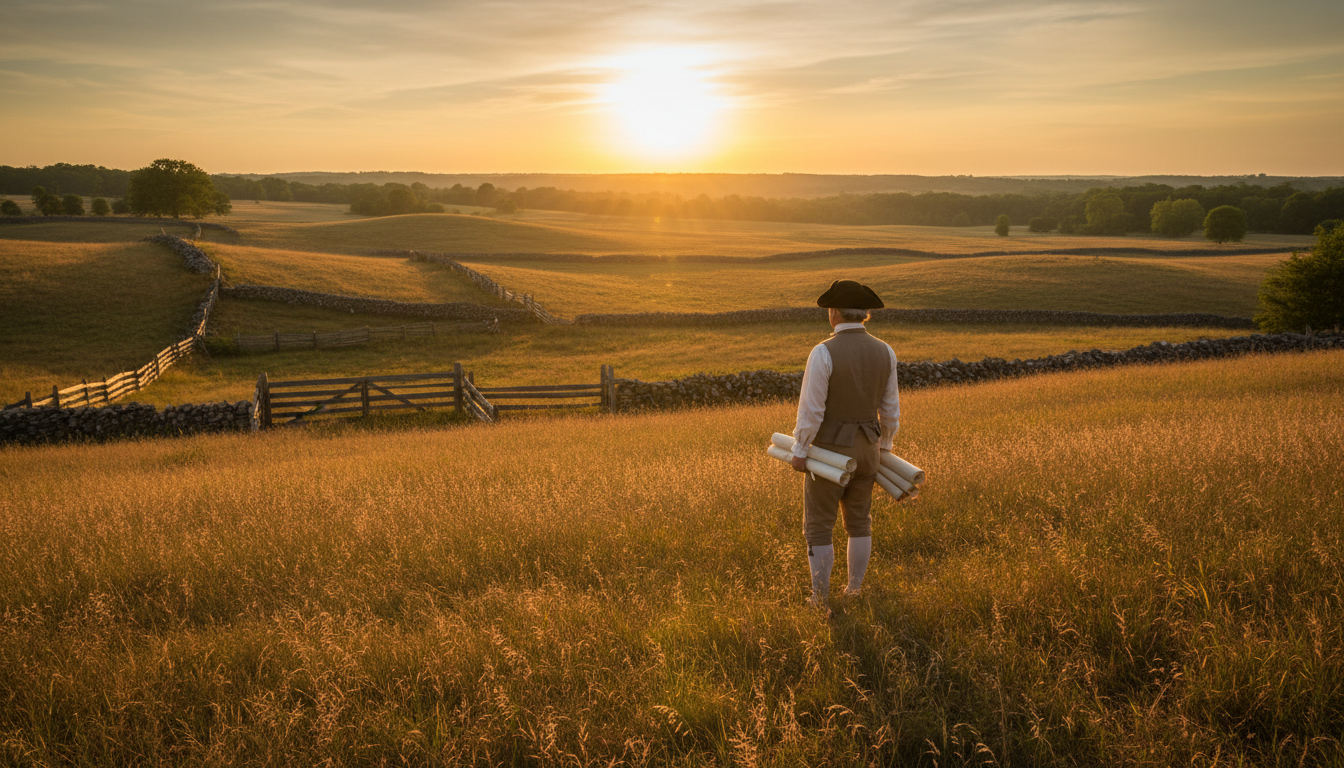
The filmmakers cleverly use Dunaharaszti's natural beauty and architectural features to reflect the film's emotional landscape. The serene countryside juxtaposes with the harsh realities of war, creating a poignant contrast that deepens the narrative impact. This dynamic relationship between location and story elevates Dunaharaszti from a mere setting to a living, breathing character within the film.
Impact on the Audience
The choice of Dunaharaszti as a location significantly impacts how audiences perceive and connect with the film. By grounding the story in a real and relatable place, viewers are more likely to empathize with the characters' experiences. This connection fosters a deeper emotional engagement with the film, enhancing its overall impact.
Furthermore, the visual beauty of Dunaharaszti captures the audience's attention, drawing them into the story and keeping them invested in the characters' journeys. The town's role as a character is a testament to the power of location in filmmaking, demonstrating how a well-chosen setting can enrich and elevate a narrative.
Conclusion
In the realm of war films, location often plays a crucial role in shaping the story and influencing the audience's emotional response. In "Children of a Hope," Dunaharaszti stands out as a character in its own right, enhancing the film's themes and immersing viewers in its world. The thoughtful use of this unique location underscores the importance of setting in creating compelling and memorable cinema.
Ultimately, Dunaharaszti's contribution to "Children of a Hope" highlights the intricate relationship between location and storytelling in filmmaking. By embracing the town's authentic charm and historical significance, the filmmakers have crafted a narrative that resonates deeply with audiences, proving that location is indeed a vital component of cinematic storytelling.