The Impact of World War II on Hungarian Families: Insights from 'Children of a Hope'
The Legacy of Conflict
The impact of World War II on Hungarian families is a poignant subject, masterfully explored in the book Children of a Hope. This narrative delves into the lives and struggles of those who lived through this tumultuous period, shedding light on the enduring effects of the war on Hungarian society.
World War II was a defining moment in history, profoundly affecting every aspect of life in Hungary. Families were torn apart, and entire communities were displaced. The stories told in Children of a Hope offer a personal lens through which we can understand the broader historical and social impacts of the war.
Displacement and Loss
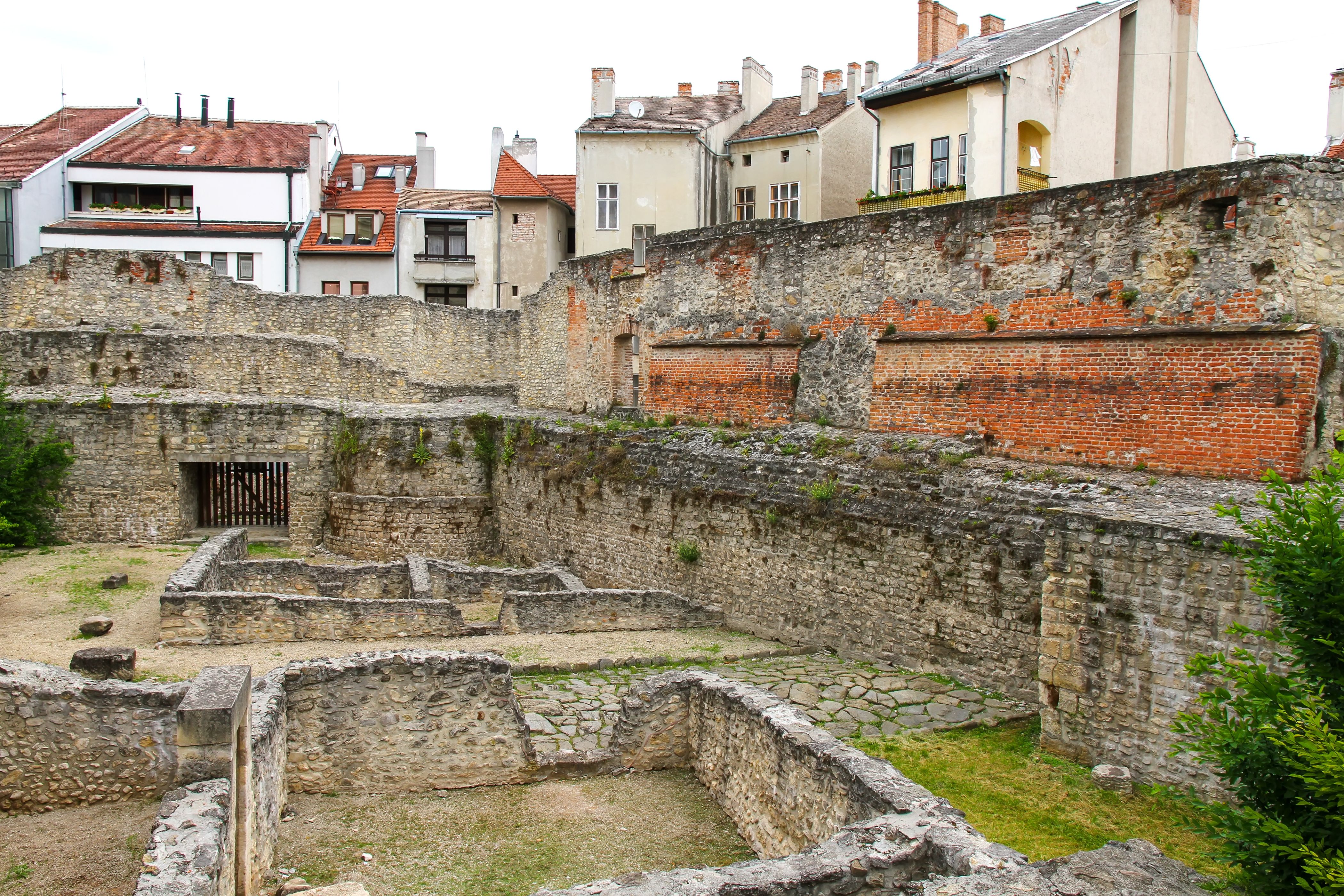
The war brought significant upheaval to Hungarian families, resulting in widespread displacement and loss. Many families were forced to flee their homes, seeking refuge in safer regions or countries. This mass displacement led to a loss of community and cultural identity, as traditions and family ties were disrupted.
Additionally, the war claimed the lives of countless individuals, leaving behind grieving families and communities. The absence of loved ones created a void that was difficult to fill, impacting the mental and emotional well-being of those left behind.
Economic Hardships
The economic consequences of World War II were devastating for Hungarian families. The destruction of infrastructure and the disruption of trade had long-lasting effects on the country's economy. Many families faced poverty and struggled to rebuild their lives in the post-war era.
The book highlights how these economic hardships forced families to adapt and find new ways to survive. From bartering goods to taking on multiple jobs, the resilience and resourcefulness of Hungarian families during this time are truly inspiring.

Cultural Resilience
Despite the challenges, Hungarian families demonstrated remarkable cultural resilience. The preservation of language, traditions, and customs played a critical role in maintaining a sense of identity and community. Children of a Hope showcases how storytelling and cultural practices became a means of coping with the trauma of war.
Festivals, music, and art served as a form of resistance and a way to keep the spirit of hope alive. These cultural elements helped strengthen the bonds between family members and provided a sense of continuity amidst chaos.
Intergenerational Effects
One of the most profound impacts of World War II on Hungarian families is the intergenerational transmission of trauma. The experiences and memories of the war were often passed down to subsequent generations, influencing their perspectives and life choices. Children of a Hope explores how these inherited memories shaped the identities of younger generations.
The book highlights the importance of addressing this legacy, emphasizing the need for open dialogue and healing to break the cycle of trauma. By understanding the past, Hungarian families can work towards a more hopeful future.

A Testament to Resilience
Children of a Hope serves as a testament to the resilience of Hungarian families in the face of adversity. The stories within its pages remind us of the strength and courage that can emerge from even the darkest times. As we reflect on the impact of World War II, it is essential to honor the experiences of those who lived through it and to learn from their stories.
By exploring the past, we gain valuable insights into the enduring human spirit and the power of hope in overcoming challenges. The legacy of World War II on Hungarian families is a reminder of the importance of resilience, unity, and the unyielding pursuit of a better future.