Dunaharaszti's Role in World War II: Setting the Scene for 'Children of a Hope'
Introduction to Dunaharaszti's Historical Context
Located in Hungary, the small town of Dunaharaszti played a unique role during World War II. Its strategic position and the social dynamics at the time provide an intriguing backdrop for the novel 'Children of a Hope.' Understanding this history is crucial to appreciating the novel's setting and the stories of resilience and survival within it.

The Strategic Importance of Dunaharaszti
During World War II, Dunaharaszti's proximity to Budapest made it strategically significant. The town was a hub for transportation and communication, playing a vital role in the movement of troops and supplies. As a result, it became a focal point for military operations, impacting the daily lives of its residents.
Additionally, Dunaharaszti's location on the banks of the Danube River added to its strategic value. The river was a critical route for both military and civilian logistics, making control over this area essential for the warring factions.
Life in Dunaharaszti During the War
For the residents of Dunaharaszti, life during the war was marked by uncertainty and hardship. The town's involvement in the conflict meant frequent disruptions, with air raids and military occupations becoming part of everyday life. Despite these challenges, the community displayed remarkable resilience and solidarity.
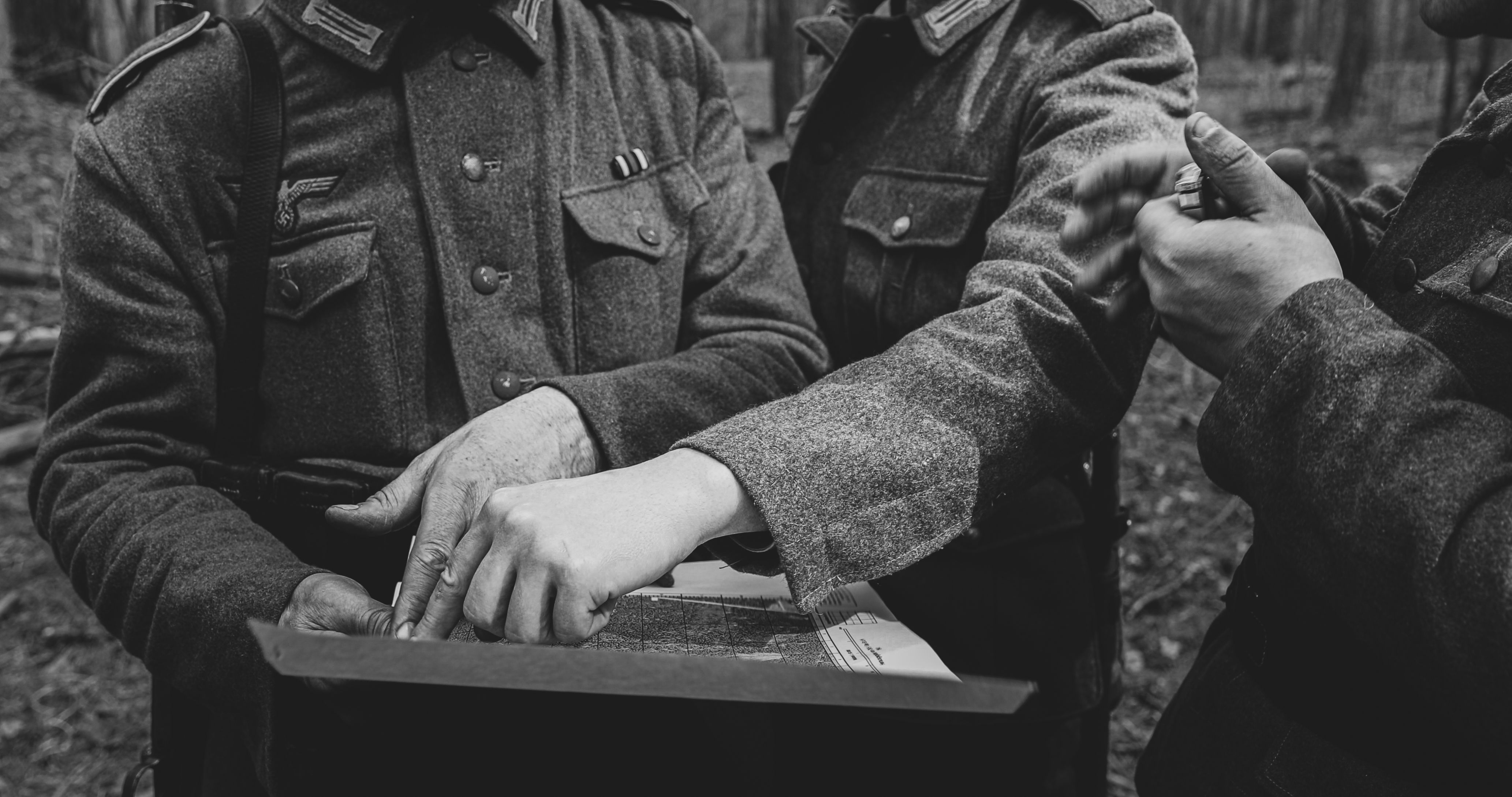
The war also brought about significant demographic changes. Many families were displaced, and the town saw an influx of refugees seeking safety from other areas. This diverse mix of people contributed to the rich tapestry of stories and experiences that 'Children of a Hope' draws upon.
The Impact on Dunaharaszti's Jewish Community
The Jewish community in Dunaharaszti faced immense persecution during this period. Anti-Semitic laws and deportations had a profound impact on their lives. The novel 'Children of a Hope' explores the struggles and the enduring hope that sustained them through these dark times.
- Forced relocations and ghettos
- Deportations to concentration camps
- The resilience of the community
A Legacy of Hope and Resilience
Despite the adversity, the spirit of hope and resilience that characterized Dunaharaszti during World War II remains a powerful testament to the human spirit. 'Children of a Hope' captures this essence, weaving a narrative that honors those who lived through these challenging times.
The legacy of Dunaharaszti is not just one of conflict and hardship but also of courage and unity. Understanding this history allows readers to appreciate the depth and authenticity of the novel's depiction of life during the war.
Conclusion
Dunaharaszti's role in World War II, though often overshadowed by larger events, offers a valuable perspective on the complexities of war and the enduring power of hope. As 'Children of a Hope' illustrates, the stories from this small town are a microcosm of the broader human experience during one of history's most tumultuous times.