Dunaharaszti: A Historical Backdrop for 'Children of a Hope'
Discovering Dunaharaszti
Nestled along the picturesque banks of the Danube, Dunaharaszti provides a captivating historical backdrop for the novel "Children of a Hope." This quaint Hungarian town, with its rich tapestry of history, culture, and tradition, serves as more than just a setting—it becomes a character in its own right. The novel, set against the shifting tides of European history, weaves its narrative through the streets and landscapes of this enchanting locale.

The Historical Significance
Dunaharaszti's history stretches back to ancient times, with archaeological finds indicating settlements as far back as the Roman era. Over the centuries, it has been a crossroads of cultures and empires, each leaving an indelible mark on its landscape and architecture. This multifaceted history is reflected in "Children of a Hope," where the past and present intermingle to create a rich, immersive experience for the reader.
The town's strategic location made it a focal point during significant historical events, including the Ottoman invasions and the Austro-Hungarian Empire's rise and fall. These epochs contribute to the novel's backdrop, providing layers of depth and intrigue. Characters in the book often find themselves grappling with the echoes of history as they navigate their personal journeys.

A Blend of Cultures
One of Dunaharaszti's most fascinating aspects is its cultural diversity. Throughout its history, the town has been home to various ethnic groups, including Germans, Serbs, and Hungarians. This melting pot of cultures is vividly portrayed in "Children of a Hope," where characters from different backgrounds come together, their stories intertwining in unexpected ways.
This cultural confluence has endowed Dunaharaszti with a unique identity, reflected in its festivals, cuisine, and traditions. The novel captures this vibrant tapestry, illustrating how the town's diverse heritage influences the lives of its inhabitants and adds richness to their stories.

Natural Beauty and Inspiration
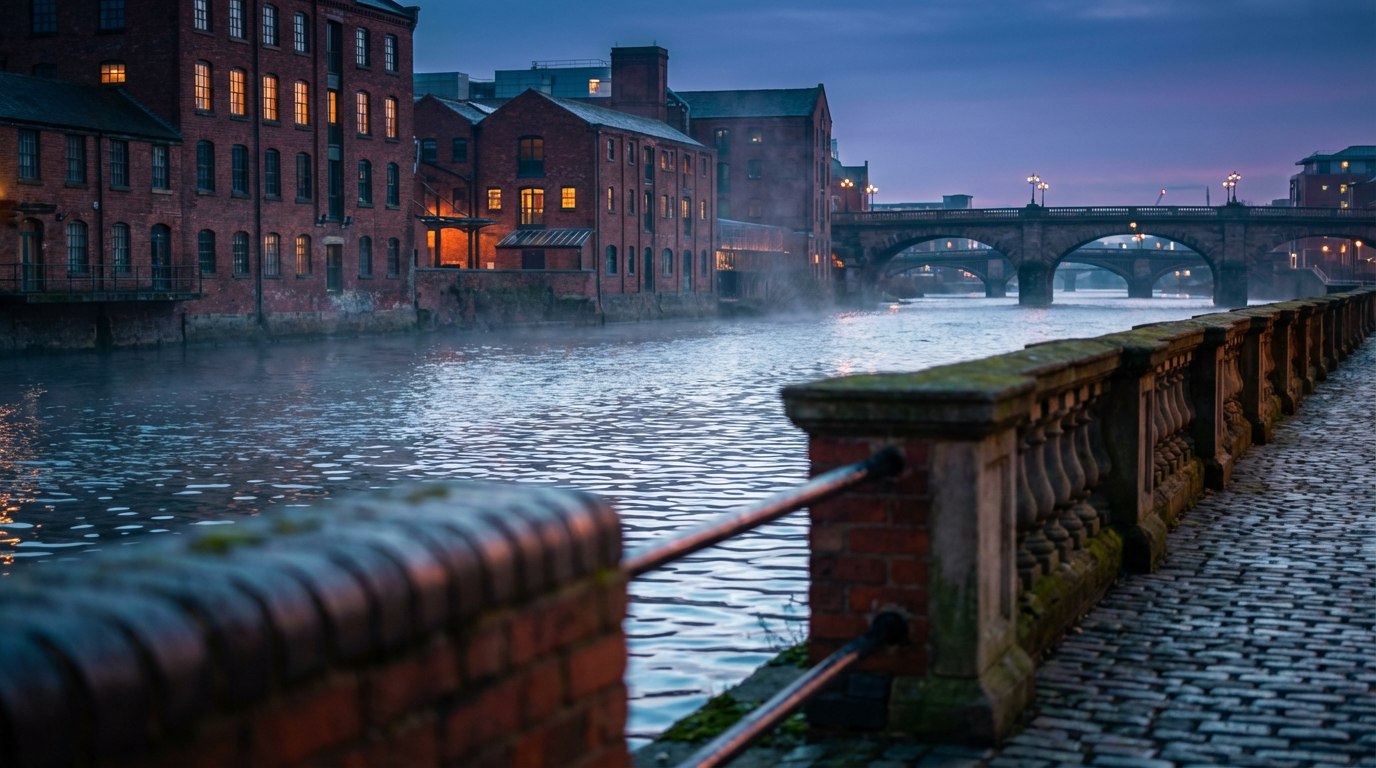
Beyond its historical and cultural significance, Dunaharaszti boasts breathtaking natural beauty. The Danube River, with its serene waters and lush surroundings, serves as a constant source of inspiration and solace for the characters in "Children of a Hope." The river symbolizes both a boundary and a bridge, representing the flow of time and the continuity of life.
Throughout the novel, the natural landscapes of Dunaharaszti are intricately woven into the narrative, reflecting the emotions and growth of the characters. From tranquil riverbanks to verdant fields, the town's scenery becomes a living, breathing part of the story.
A Timeless Setting
In "Children of a Hope," Dunaharaszti is not merely a backdrop but a timeless setting where the past and present converge. Its historical events, cultural diversity, and natural beauty create a rich tapestry that enhances the novel's themes of hope, resilience, and unity. As readers journey through the pages, they are transported to a place where history and fiction blend seamlessly, offering a unique glimpse into the soul of this remarkable town.
For those captivated by the intertwining of history and narrative, Dunaharaszti offers a compelling exploration of the human experience. The town's legacy, both real and imagined, continues to inspire and resonate, inviting readers to delve deeper into its stories and uncover the hidden treasures within.