Creating Authentic War Narratives: The Making of 'Children of a Hope'
The Importance of Authentic War Narratives
War narratives have long been a significant part of storytelling, offering insights into the complexities of human conflict and the resilience of the human spirit. In creating these tales, one must balance authenticity with engaging storytelling. The film 'Children of a Hope' is a prime example of how filmmakers strive to achieve this balance, providing an unfiltered look into the lives affected by war.
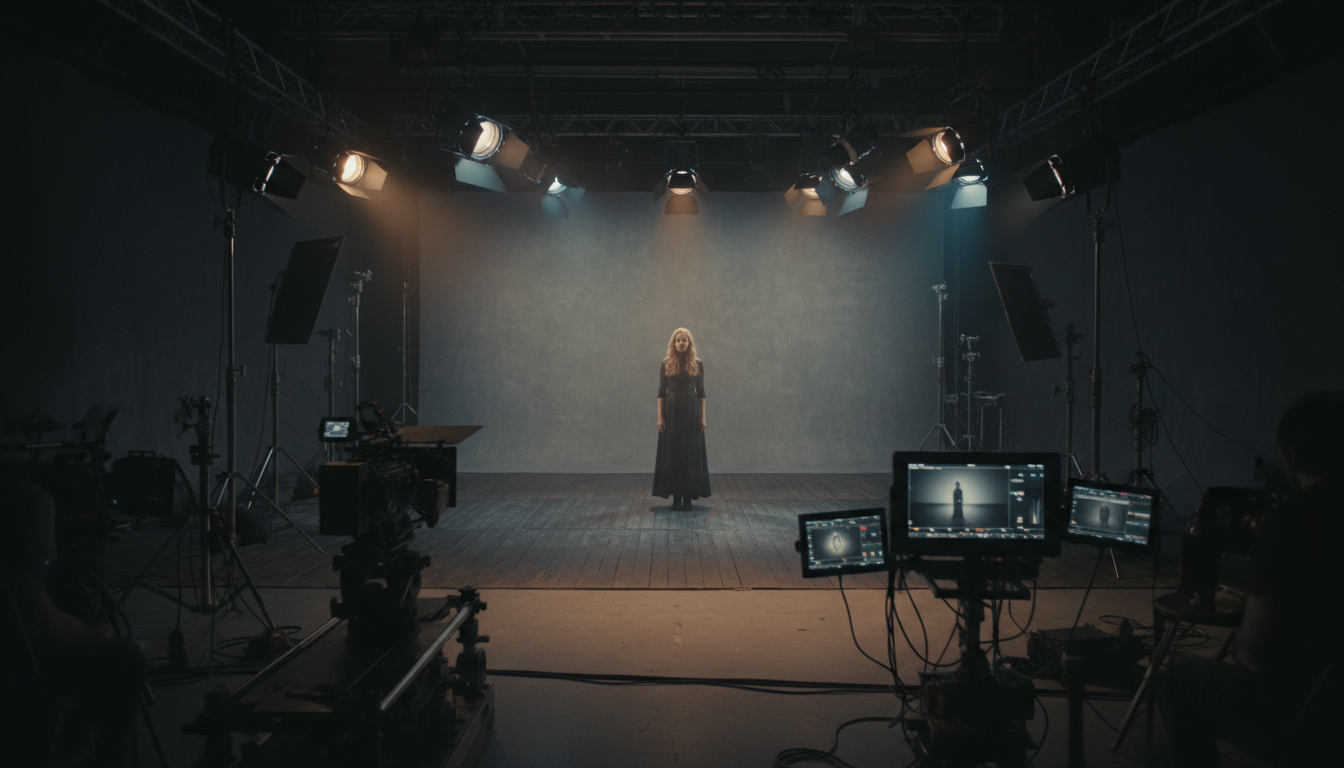
'Children of a Hope' stands out for its dedication to authenticity, immersing audiences in a world that is both harrowing and hopeful. This commitment is not just about depicting the chaos of war but also about highlighting the nuanced experiences of those who live through it.
Research and Collaboration
Creating an authentic war narrative requires meticulous research and collaboration with experts. The filmmakers of 'Children of a Hope' consulted with historians, veterans, and local communities to ensure accuracy in their depiction of events. This collaboration was crucial in portraying the emotional and physical realities faced by individuals during wartime.
By involving those with firsthand experience, the film captures the subtleties of war that are often overlooked. This approach not only enriches the narrative but also honors the experiences of those who have lived through such conflicts.

The Role of Realism in Storytelling
Realism plays a vital role in engaging audiences with war narratives. 'Children of a Hope' employs practical effects and authentic locations to create an immersive experience. The use of real locations, rather than constructed sets, adds a layer of authenticity that resonates with viewers.
This commitment to realism extends to the film's characters, who are portrayed with depth and complexity. By avoiding stereotypes and embracing the multifaceted nature of human experience, the narrative speaks to the universal struggles and hopes of those impacted by war.

Impactful Storytelling Through Diverse Perspectives
The diversity of perspectives in 'Children of a Hope' sets it apart from conventional war narratives. The film explores the lives of not only soldiers but also civilians, providing a comprehensive view of the war's impact. This inclusion of varied voices allows for a richer, more empathetic storytelling experience.
By highlighting different experiences, the film encourages audiences to reflect on the broader implications of conflict and the enduring spirit of hope that persists even in the darkest times.
The Emotional Core
At the heart of 'Children of a Hope' is an emotional core that resonates deeply with audiences. The filmmakers focus on personal stories, weaving together moments of despair and resilience. This emotional depth is achieved through powerful performances and a compelling script that captures the essence of human endurance.
Such an approach not only engages viewers but also fosters a deeper understanding of the profound effects of war on individuals and communities. It is this blend of authenticity, realism, and emotional storytelling that makes 'Children of a Hope' a standout in the genre of war narratives.