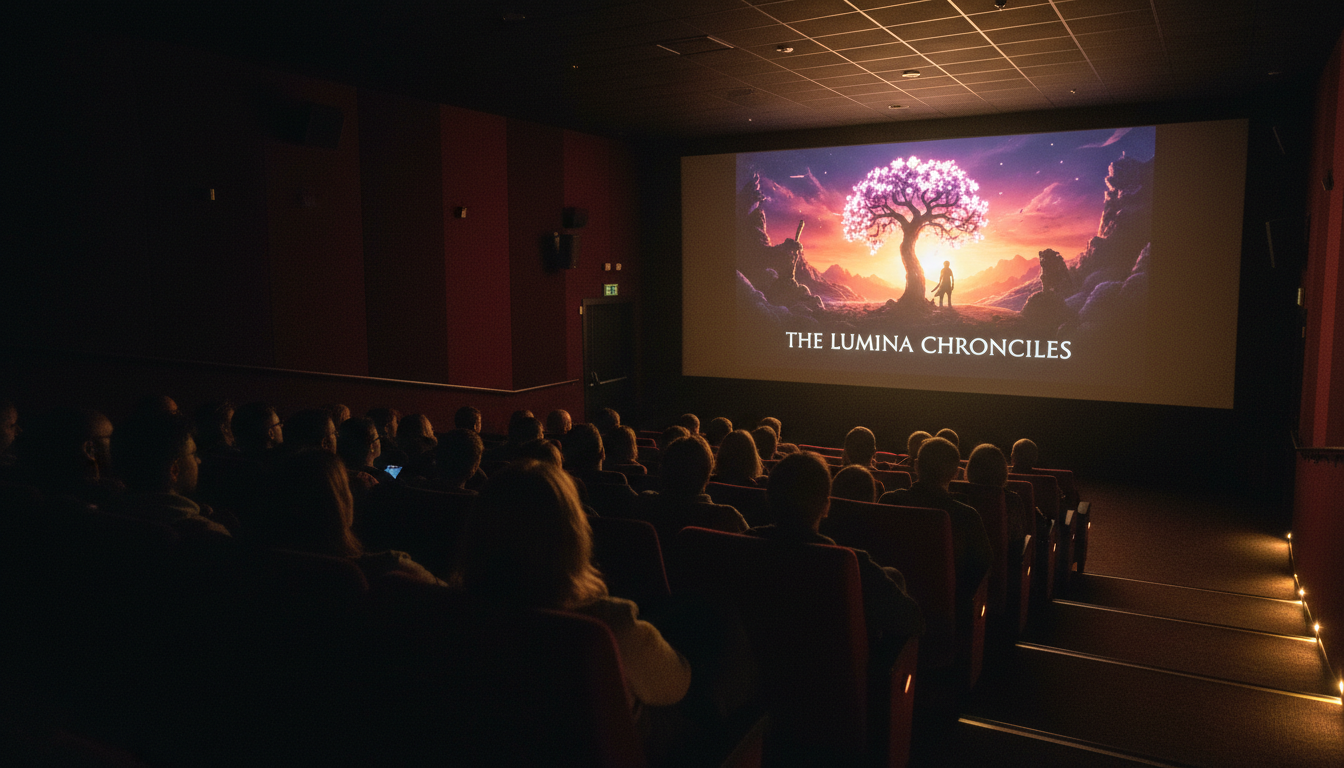
Behind the Scenes of 'Children of a Hope': A Director's Perspective
Introduction to the Vision
The journey of creating a film is often as riveting as the story it tells. In the case of 'Children of a Hope', the director’s vision played a crucial role in transforming a written script into a visually compelling masterpiece. From the initial concept to the final cut, every decision was meticulously crafted to serve the narrative. Let's dive into the behind-the-scenes magic from the director's perspective.

Crafting the Storyline
The director, known for their attention to detail, began with an intensive study of the script. The goal was to uncover the core themes and emotions that would resonate with audiences. By collaborating closely with the writers, the director ensured that every scene contributed to the overarching message of hope and resilience. This collaboration was vital in maintaining a cohesive storyline.
Key elements were identified early on:
- Character development
- Emotional arcs
- Symbolic imagery
Building the World
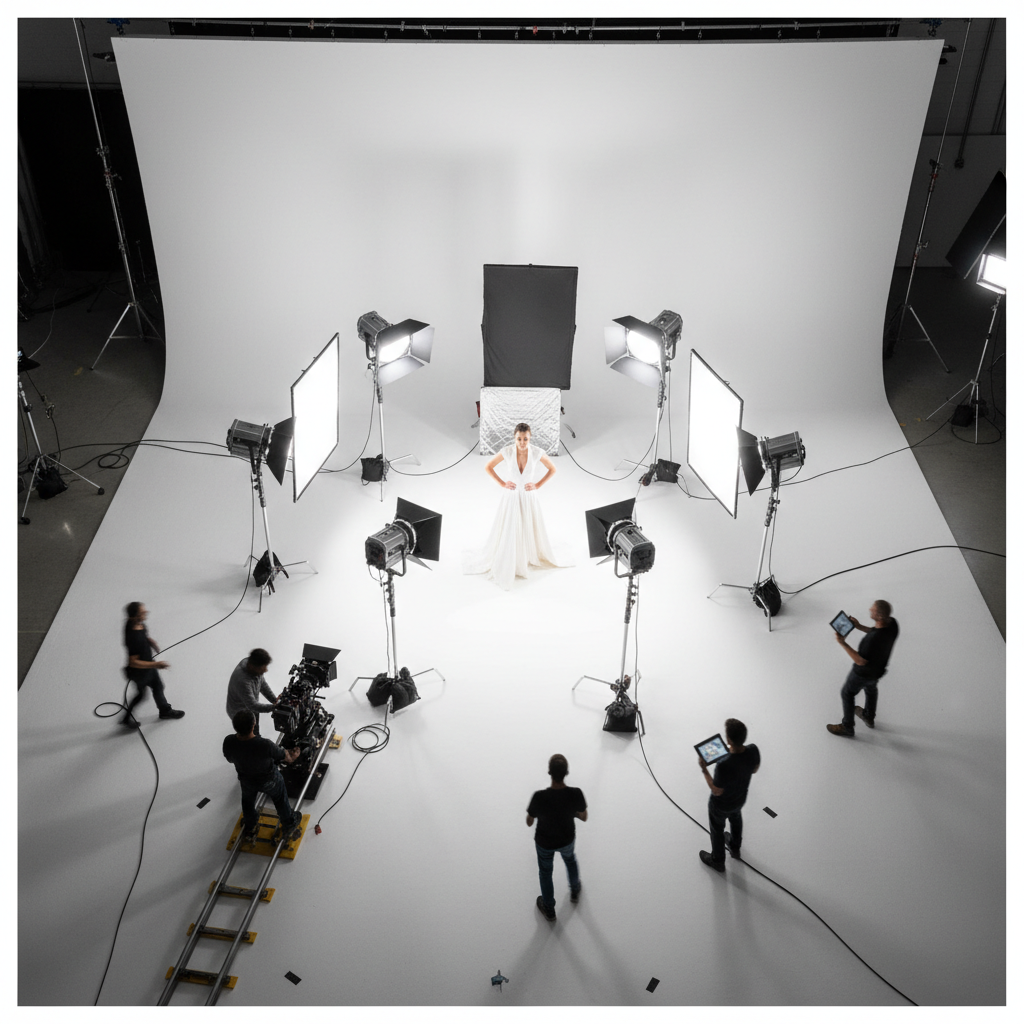
Creating the world of 'Children of a Hope' required a meticulous approach to set design and location selection. The director worked closely with the production designer to develop environments that were both believable and visually stunning. Each location was chosen to enhance the story’s emotional depth and provide a backdrop that complemented the characters' journeys.
Casting the Characters
One of the most crucial phases in the filmmaking process is casting. The director was keen on selecting actors who could bring authenticity and depth to their roles. Through a series of auditions and screen tests, the perfect ensemble was assembled, each actor bringing their unique interpretation and energy to the film.
The director believed that the chemistry between the cast members would significantly impact the film's success. Therefore, rehearsals were conducted to foster a genuine connection among the actors, allowing them to explore their characters’ relationships in depth.
The Art of Visual Storytelling
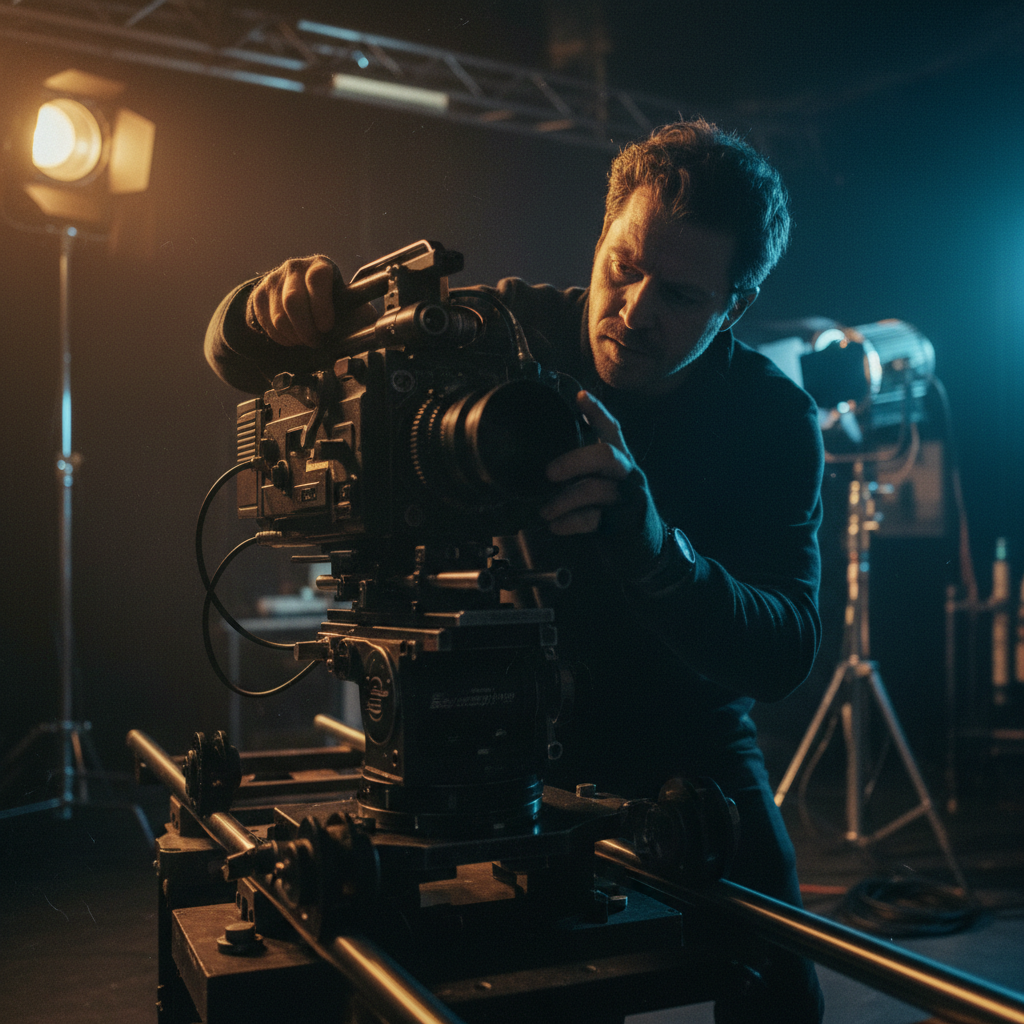
Visual storytelling is at the heart of cinema, and for this film, the director employed a variety of techniques to convey the narrative. Cinematography was used as a tool to evoke emotions and symbolize themes of hope. Lighting, camera angles, and color palettes were strategically chosen to enhance each scene's mood, guiding the audience through the film's emotional landscape.
Sound and Music
Sound design and music were integral in shaping the film's atmosphere. The director collaborated with composers and sound designers to create an auditory experience that complemented the visual elements. The soundtrack was carefully crafted to underscore pivotal moments, amplifying the emotional impact of key scenes.
Music was used not just as a background element but as a narrative device, helping to express what words and visuals alone could not. The director’s dedication to sound ensured that audiences were fully immersed in the story.
Overcoming Challenges
Every film production faces its share of challenges, and 'Children of a Hope' was no exception. From weather-related delays to budget constraints, the director had to navigate numerous hurdles. However, their resilience and problem-solving abilities played a significant role in overcoming these obstacles, ensuring that the film stayed true to its vision and timeline.
The director emphasized the importance of teamwork and communication, attributing the film's success to the dedication and creativity of the entire crew.
Conclusion: A Director's Legacy
The journey of making 'Children of a Hope' was a testament to the director’s passion and artistic vision. By combining storytelling, visual artistry, and sound, the director crafted a film that not only entertains but also inspires. As audiences around the world experience this cinematic journey, the impact of the director’s work will undoubtedly leave a lasting legacy.