Behind the Scenes: Creating Authentic World War II Films
Introduction to Authentic WWII Filmmaking
Creating an authentic World War II film is no small feat. It requires meticulous attention to detail, from costumes and props to locations and storytelling. Filmmakers strive to transport audiences back in time, ensuring historical accuracy while crafting compelling narratives. This behind-the-scenes look explores the intricate process of bringing such powerful stories to the silver screen.
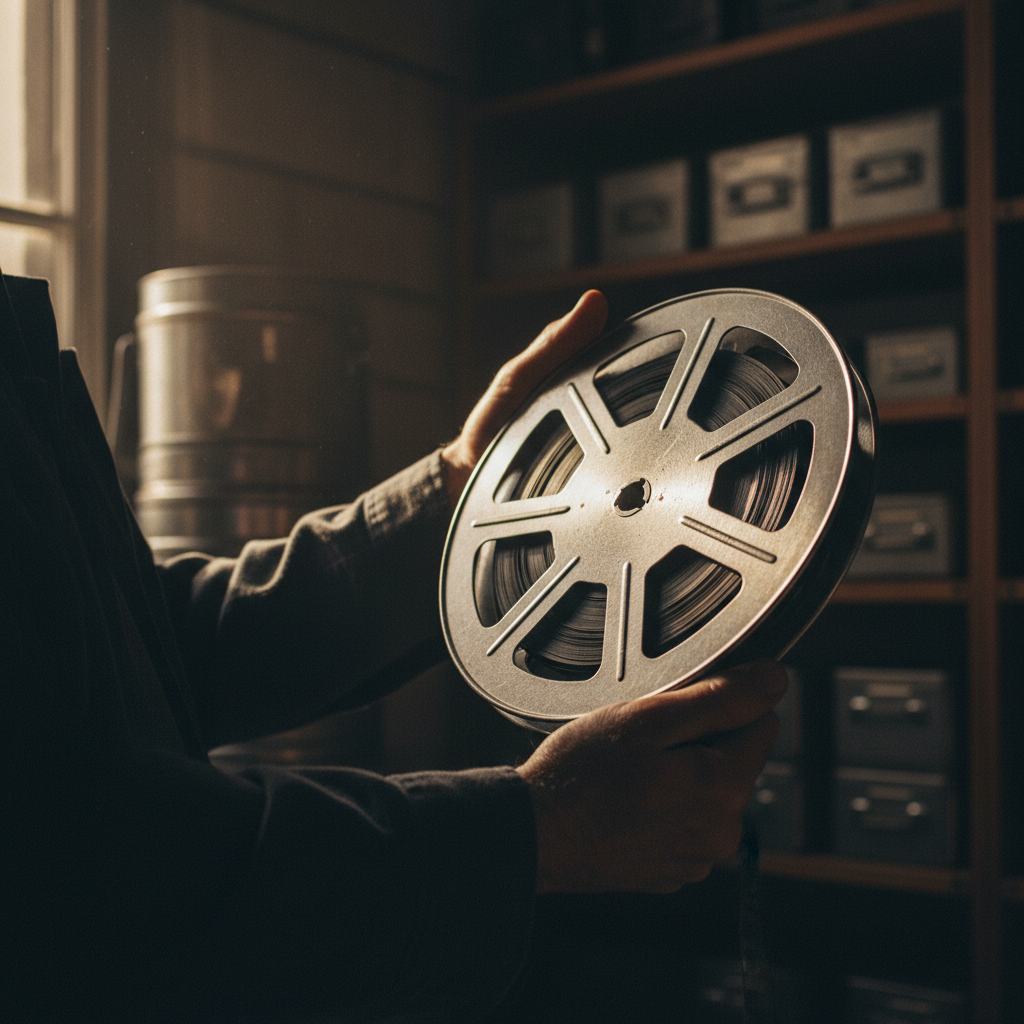
The Importance of Historical Accuracy
One of the primary challenges in creating WWII films is maintaining historical accuracy. Filmmakers collaborate with historians and experts to ensure that every detail, from military uniforms to the design of the battlefield, is true to the time period. This dedication to authenticity enhances the film's credibility and immerses viewers in the era.
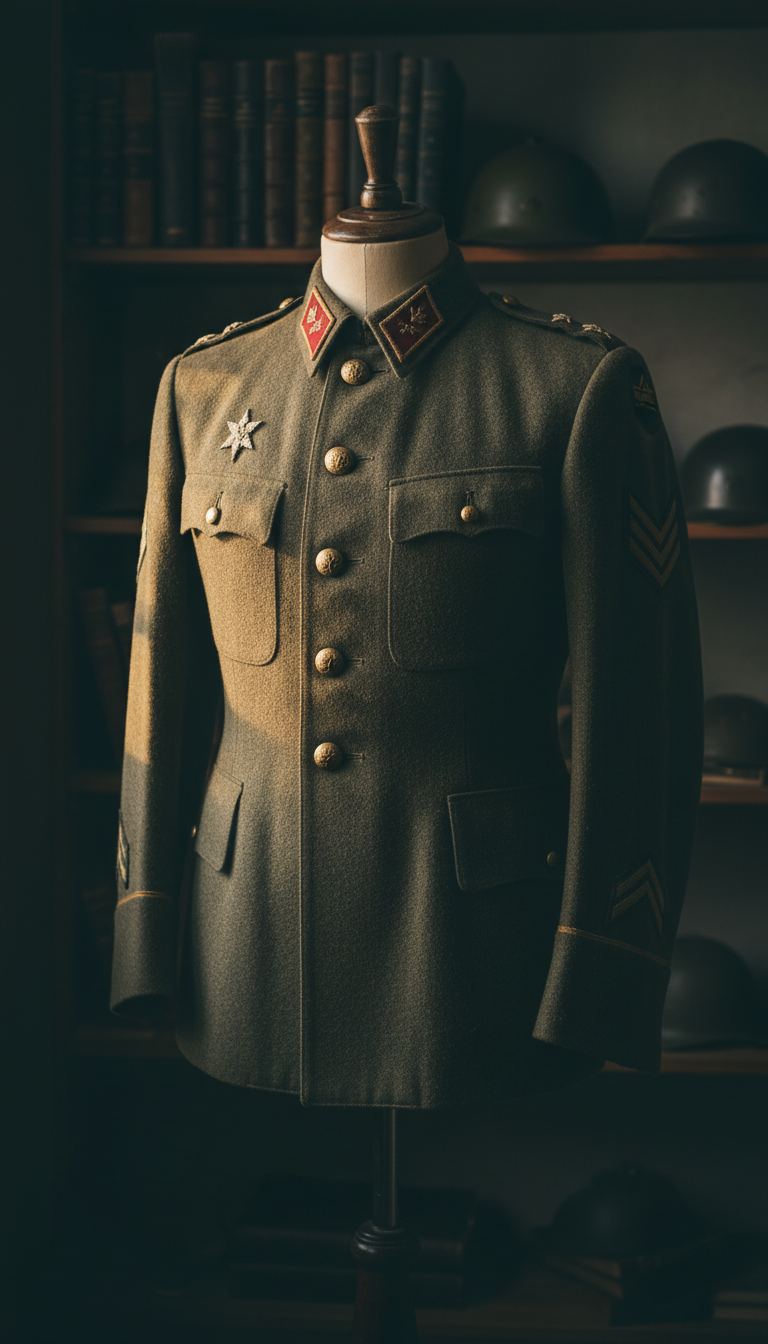
Costume designers play a critical role in this process. They meticulously research and recreate uniforms, civilian clothing, and accessories that reflect the 1940s style. Attention to fabric, color, and stitching can make all the difference in achieving an authentic look.
Location Scouting and Set Design
Finding the right locations is essential for authenticity. Filmmakers often scout historical sites or create detailed sets that replicate wartime environments. This process involves working closely with architects and designers to ensure that everything from buildings to landscapes matches the historical context.
Set designers strive to recreate the atmosphere of the time, paying attention to even the smallest details. From period-appropriate furniture to authentic signage, these elements are crucial in transporting the audience back to the 1940s.
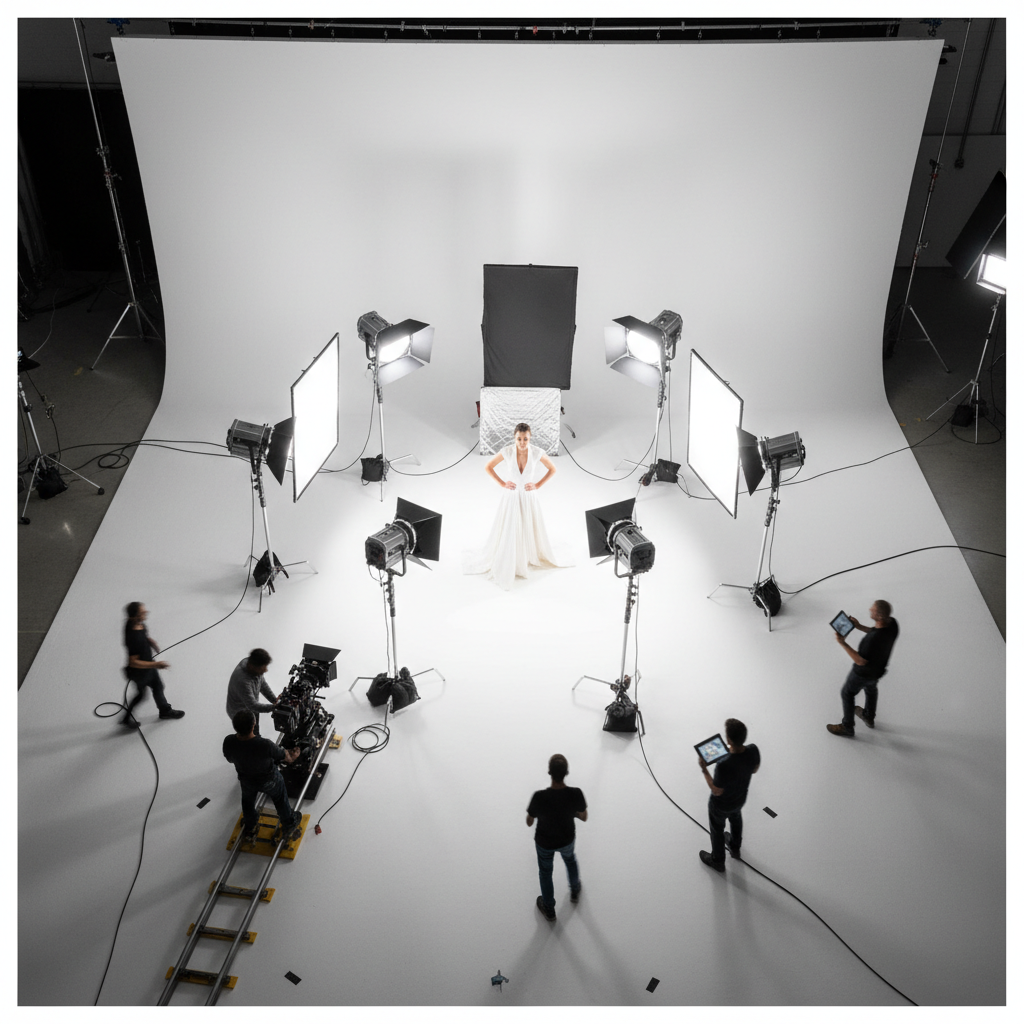
Capturing the Human Element
While historical accuracy is vital, the human element is what truly connects audiences to the story. Filmmakers delve into personal stories of courage, sacrifice, and resilience to bring depth to their characters. This involves extensive research into personal letters, diaries, and interviews with veterans and historians.
Actors undergo rigorous training to accurately portray soldiers and civilians of the era. This includes learning military protocols, adopting period-specific mannerisms, and understanding the psychological impact of war.
Utilizing Technology and Visual Effects
Modern technology and visual effects play a significant role in recreating large-scale battles and war-torn environments. While practical effects are still used, CGI allows filmmakers to depict vast armies and explosive action sequences without compromising authenticity.
Directors work closely with visual effects teams to seamlessly blend real footage with digital enhancements, creating a visually stunning and historically accurate representation of WWII.

Conclusion: The Impact of Authentic WWII Films
Authentic WWII films offer audiences a glimpse into the past, providing both entertainment and education. By combining historical accuracy with compelling storytelling, filmmakers honor the legacy of those who lived through the war and preserve their stories for future generations. As technology advances, the ability to recreate these poignant moments in history continues to evolve, ensuring that the sacrifices and triumphs of WWII are never forgotten.