Behind the Scenes: Bringing 'Children of a Hope' to Life
The Vision Behind the Film
Creating the film "Children of a Hope" was a journey fueled by passion and creativity. The initial concept began in the mind of director Jane Smith, who envisioned a story that would resonate with audiences worldwide. Her goal was to craft a narrative that explored themes of resilience and unity in the face of adversity.
Jane and her team spent months developing the script, focusing on character development and plot intricacies. They wanted to ensure that each character's journey felt authentic and engaging, providing viewers with a deep emotional connection to the story.
Assembling the Team
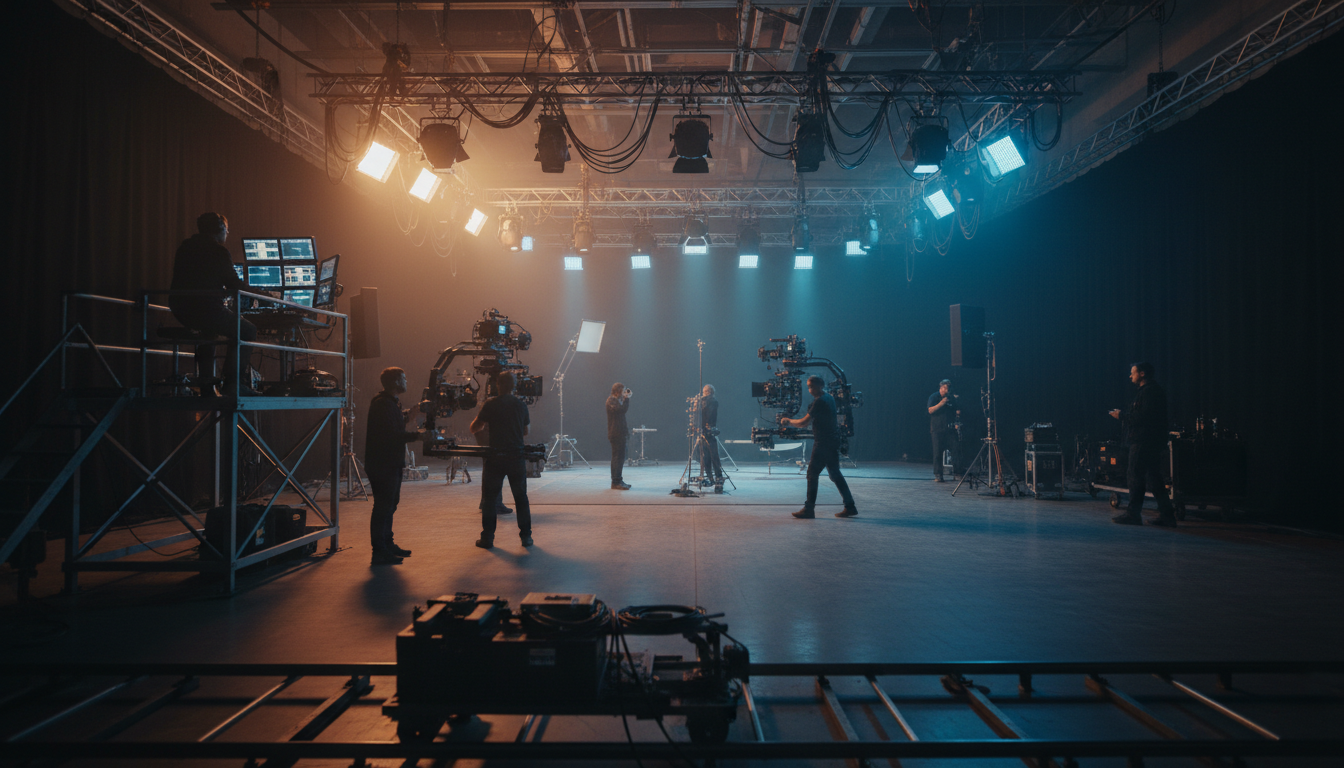
To bring "Children of a Hope" to life, assembling the right team was crucial. The producers sought out professionals who not only had the technical skills but also shared the same passion for storytelling. The casting process was rigorous, with each actor selected for their ability to embody the characters' complex emotions.
Behind the scenes, the crew worked tirelessly. From set designers to costume makers, each member played a vital role in creating the vivid world of the film. Their collaboration was a testament to the power of teamwork in achieving a shared vision.
Building the Set
The set design was a massive undertaking, requiring meticulous planning and execution. The art department, led by renowned designer Alice Johnson, transformed empty spaces into vibrant landscapes that reflected the film's themes. The set was designed to immerse viewers, making them feel as though they were part of the story.
The Filming Process
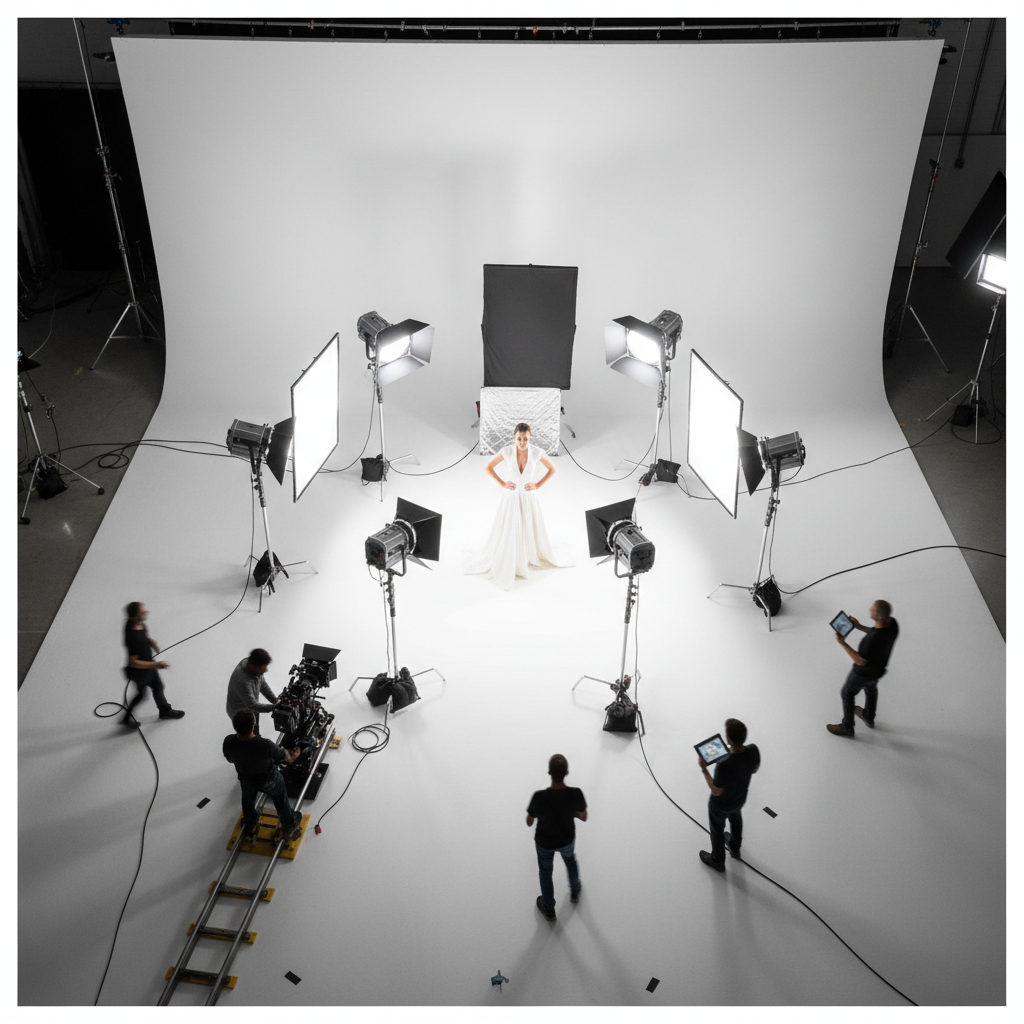
Filming "Children of a Hope" posed its own set of challenges. The team faced unpredictable weather conditions and tight schedules. However, their perseverance and dedication ensured that each scene was captured beautifully. The cinematography aimed to highlight the raw emotions of the characters, drawing the audience into their world.
Innovative camera techniques and lighting were employed to enhance the film's visual storytelling. The director worked closely with the cinematographer to ensure that each shot conveyed the intended mood and tone.
Post-Production Magic
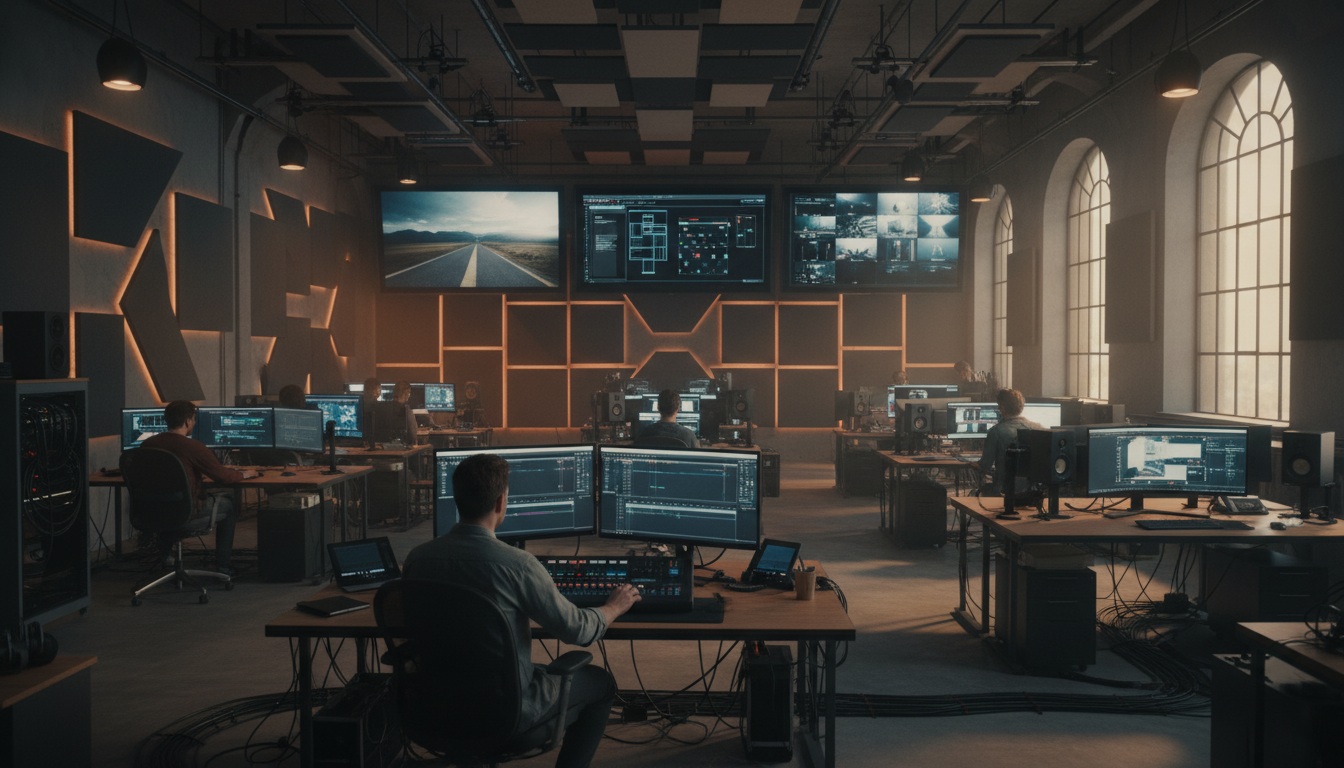
Once filming wrapped, the post-production team took over. Editing, sound design, and visual effects played a significant role in refining the final product. The editor, Mark Thompson, focused on pacing and continuity, ensuring the story flowed seamlessly from start to finish.
The Impact of Music
Music was another critical element in "Children of a Hope." Composer Emily Davis created a score that elevated the film's emotional impact. The music was carefully crafted to complement the narrative, enhancing key moments without overshadowing them.
The soundtrack was recorded with a live orchestra, adding depth and richness to the film's auditory experience. This collaboration between the composer and musicians brought an additional layer of authenticity to the production.
The Journey to Release
As the film neared completion, the marketing team began strategizing its release. They focused on building anticipation through trailers, social media campaigns, and interviews with the cast and crew. The goal was to create a buzz that would draw audiences to theaters worldwide.
Finally, after months of hard work and dedication, "Children of a Hope" premiered to critical acclaim. The journey from concept to screen was a testament to the power of storytelling and the collaborative spirit of the film industry.